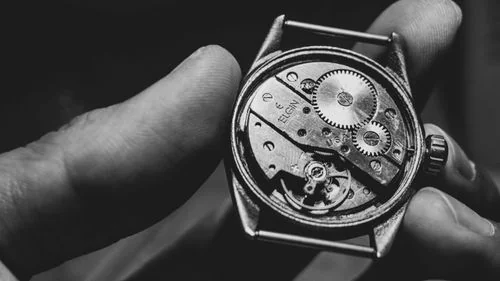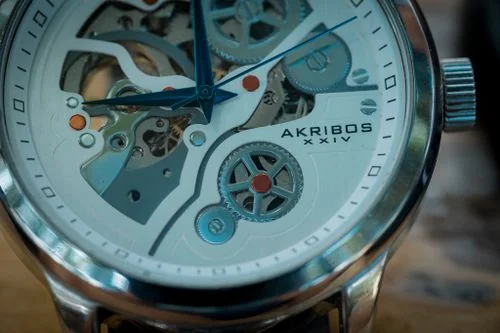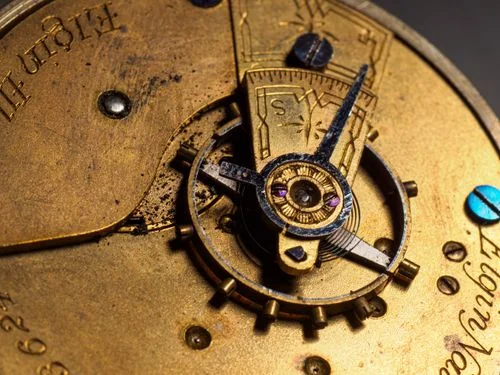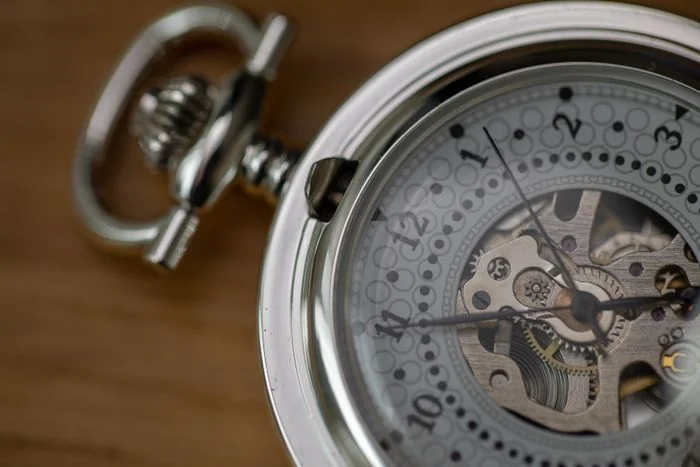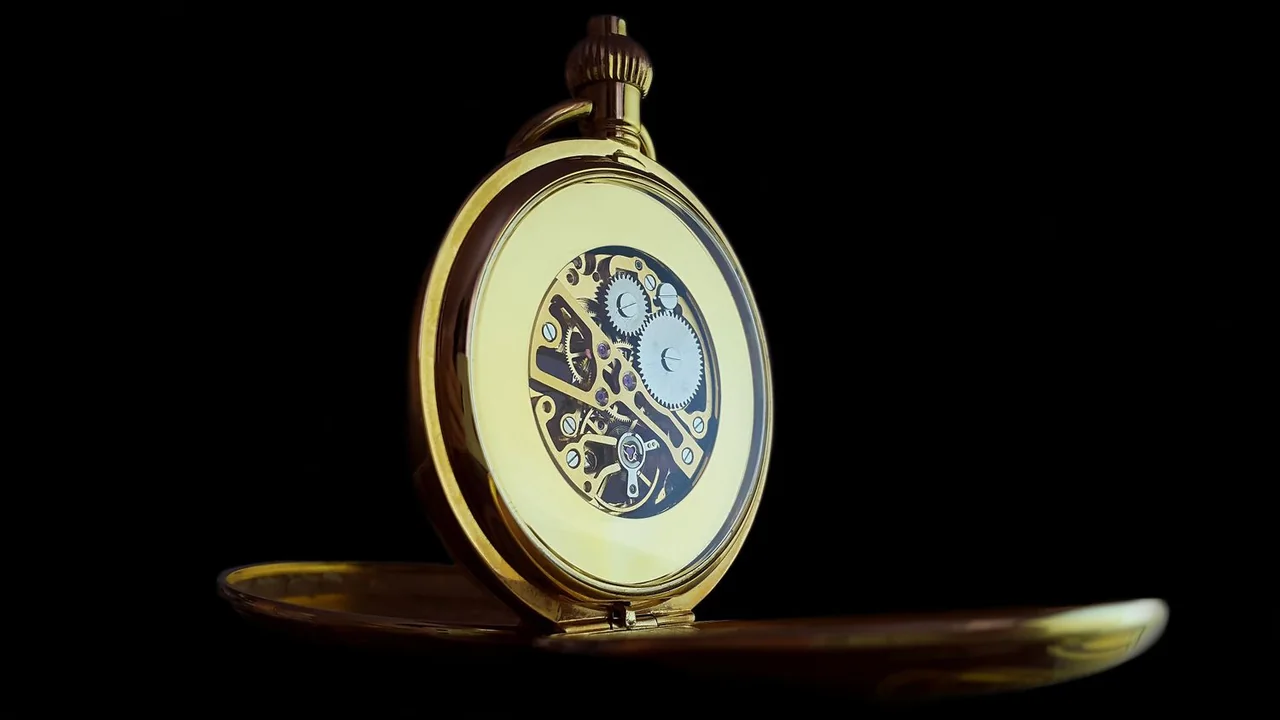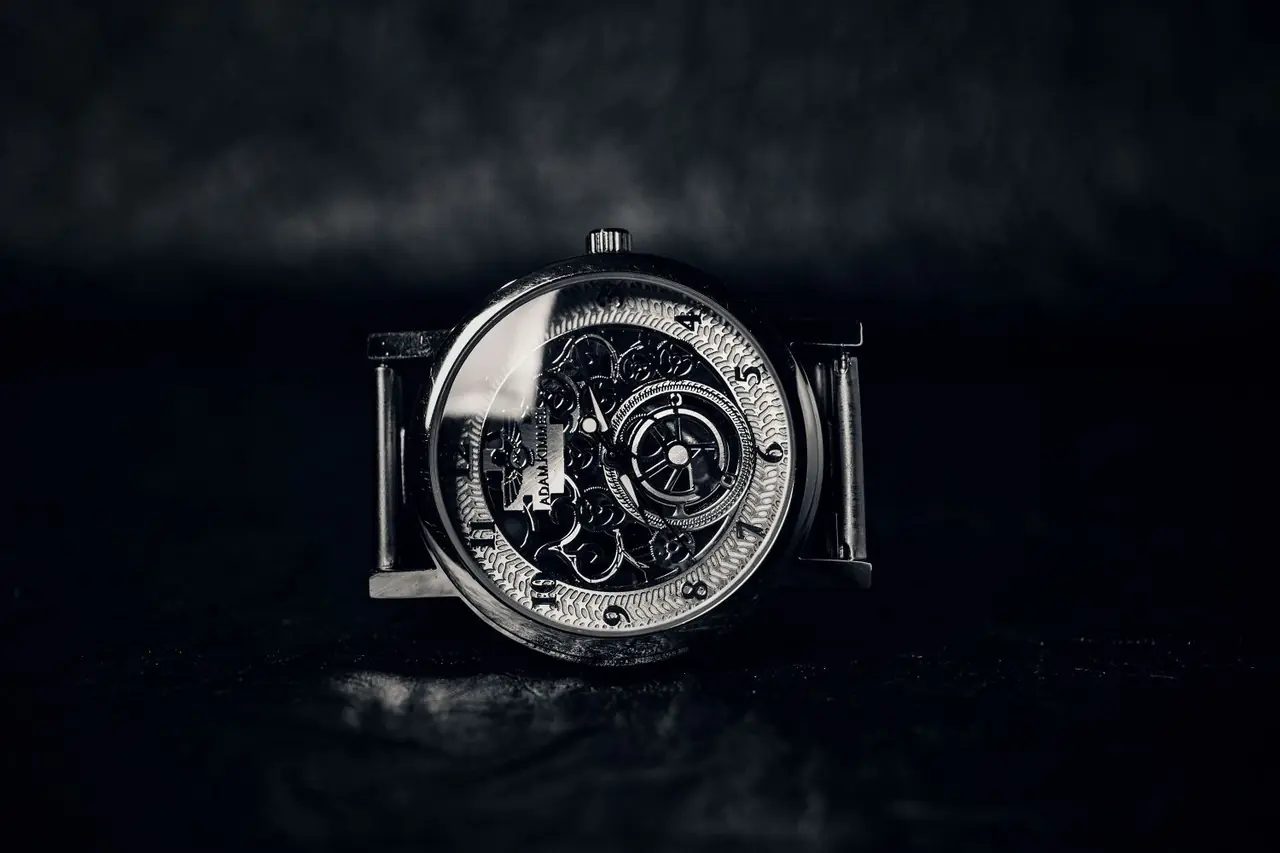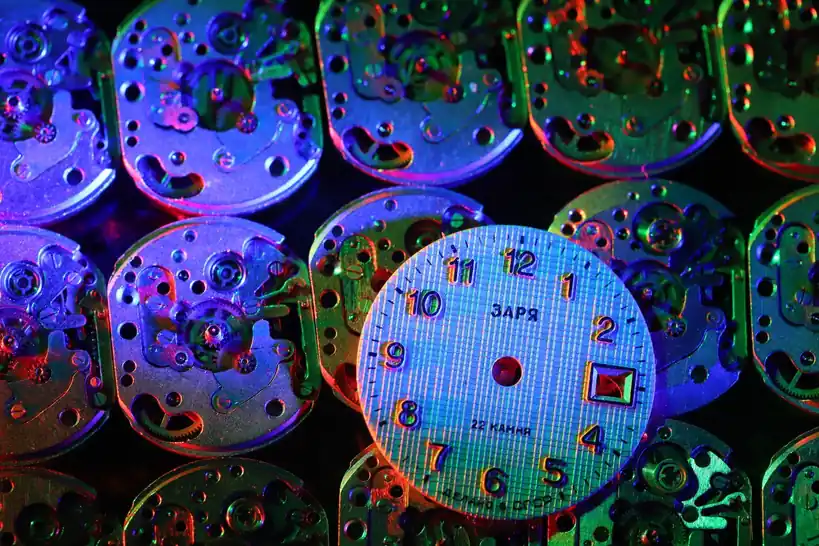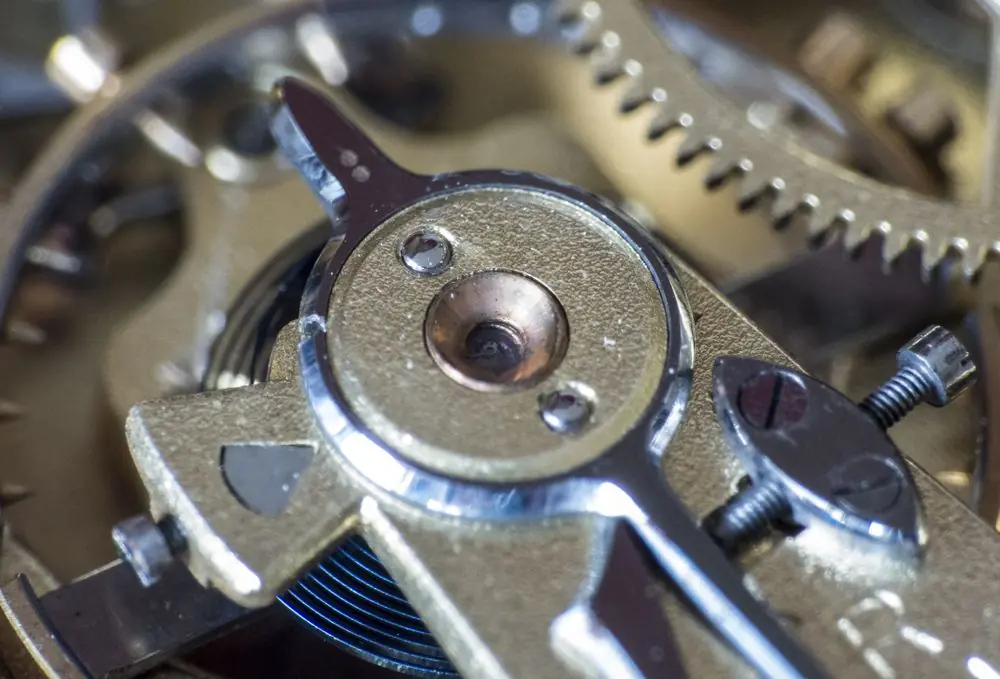
Intricate mechanical watch movement featuring polished steel gears and escapement architecture
Horological Craftsmanship & Precision

Where Precision Becomes Craftsmanship

An uncompromising study of mechanical tolerances, balance assembly, and hand-finished bridges within our Québec City workshop.

Workshop Practice

Mechanical Assembly & Component Inspection

Every caliber assembled in our workshop depends on absolute geometric alignment, pristine pivot seats, and rigorous optical verification under sustained magnification.

01 Geometric Poise

Axis Alignment & Train Meshing

The coordination of an escapement train requires flawless balance between pinion teeth and wheel perimeters. Even fractional deflection introduces uneven torque delivery across the gear train. Our watchmakers examine endshake and sideplay on every ruby jewel cup using precision micro-gauges before securing the bridges permanently.

Individual wheel endshake checked under 15x stereoscopic loupe
Pivot clearances measured between 0.01mm and 0.02mm
Hairspring concentricity calibrated across multiple resting planes
02 Optical Scrutiny

Fine Component Inspection & Surface Integrity

Prior to final casing, every bridge, plate, click spring, and escapement tooth undergoes systematic surface scrutiny. We inspect for particulate intrusion, burr traces along screw thread channels, and unblemished jewel chamfers. This uncompromising discipline preserves lubrication longevity and structural stability over decades of continuous oscillation.

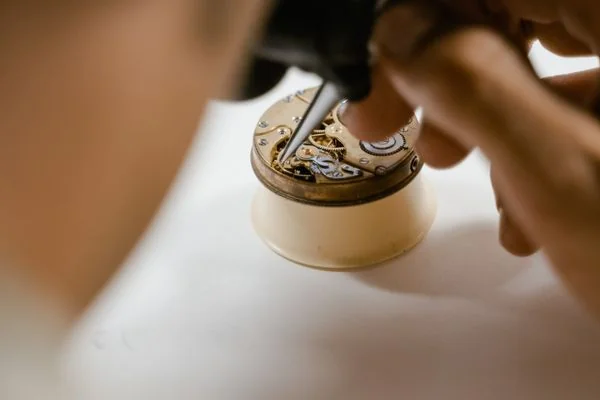
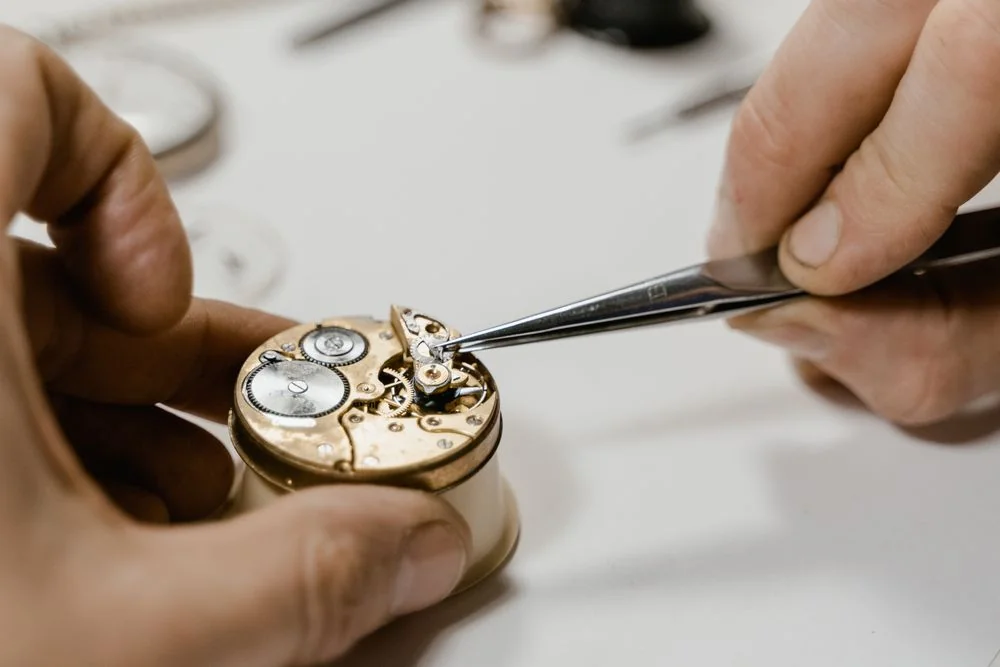
Watchmaker hands carefully adjusting small gear components with tweezers under inspection lighting
Manual alignment of the escapement pallet fork and banking pins.
Close-up of vintage watch caliber plates and precision gears held under workshop light
Inspection of train bridge alignment and jewel seating integrity.
Instruments & Finishing

Precision Tools, Surface Finishing & Tolerances

The tactile mastery of watchmaking unites specialized ergonomic instruments with hand-guided abrasives, creating surfaces that honor both function and classical beauty.

Specialist Instrumentation

Ergonomic Tooling of the Caliber Specialist

A watchmaker's instruments are calibrated extensions of tactile perception. Hardened steel tweezers dressed to mirror tips, micro-torque screwdrivers weighted with brass knurling, and pith wood sticks shaped by hand ensure zero marring on polished screw heads.

Torque Driver Blades Tempered Swedish Steel
Micro Tweezers Anti-Magnetic Brass / Steel No. 3
Lubrication Piqueurs Micro-Drop Synthetic Dispensers
Technician repairing delicate watch mechanism using fine precision screwdrivers
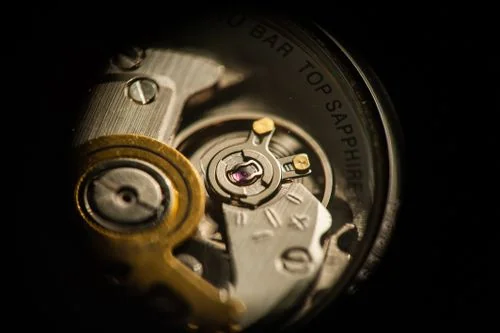
Macro shot of polished mechanical watch gears and synthetic ruby bearings

Anglage & Hand-Beveling

Using gentian wood sticks dressed with diamond paste, component perimeters are beveled to a consistent 45-degree angle. This removes shear stress points while creating crisp optical reflections across bridge contours.

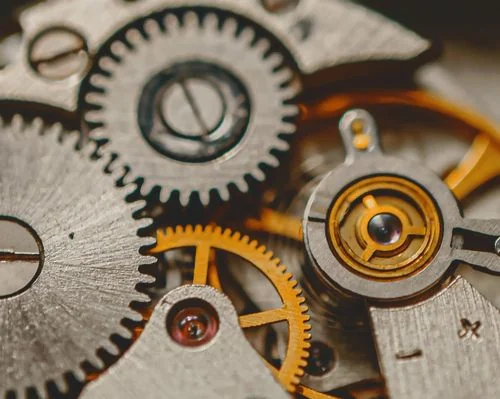
Close-up of circular brushed metal gears and engineering teeth

Traits Tirés & Circular Graining

Straight-grained satin strokes on steel levers and concentric perlage on base plates capture microscopic debris during movement operation, protecting precision ruby surfaces from stray particles.

The Philosophy of Dimensional Accuracy Canadian Horological Engineering

In mechanical horology, tolerance is not merely an engineering metric; it is the silent boundary between fluid perpetual motion and kinetic inertia. Components interact with zero perceptible backlash, ensuring that the stored energy in the mainspring travels undisturbed to the hairspring's rhythmic impulse.